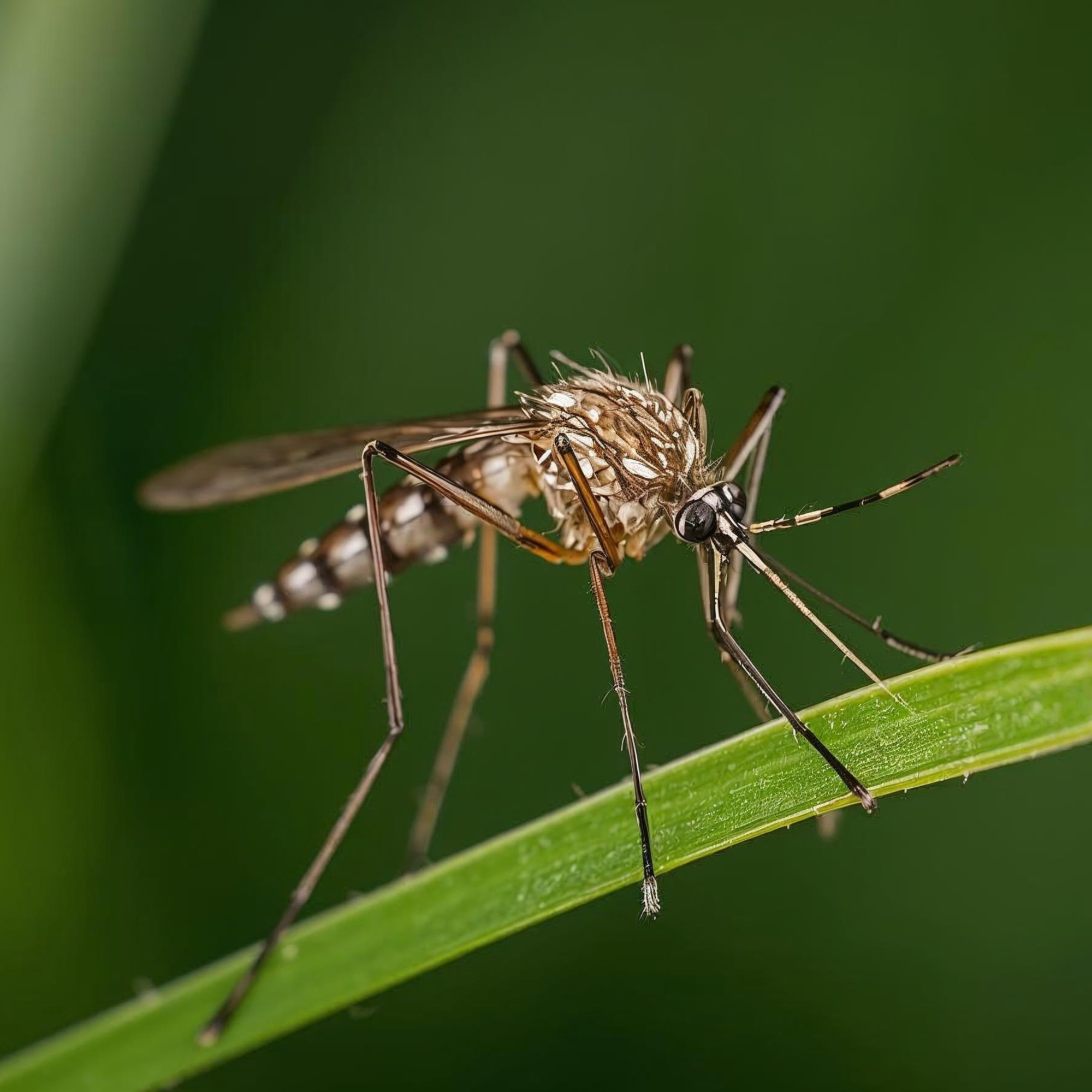
Mosquitoes are a familiar problem across North Texas, especially during warmer months. They can make it difficult to enjoy a backyard, patio, playground, restaurant patio, community pool, school campus, or other outdoor space.
If mosquitoes seem especially bad around your property, there is usually a reason. Standing water, irrigation, vegetation, shade, drainage, and seasonal weather can all create conditions that support mosquito activity.
Understanding what attracts mosquitoes and where they may be breeding or resting can help homeowners, businesses, schools, property managers, and other North Texas properties reduce conditions that contribute to the problem.
Why Are Mosquitoes So Common in North Texas?
North Texas provides many of the conditions mosquitoes need.
Warm temperatures support mosquito activity, while rainfall, irrigation, drainage problems, and standing water can provide places for mosquitoes to reproduce.
Mosquito activity can change considerably throughout the year depending on weather conditions.
A period of rain followed by warm temperatures, for example, can leave water collecting in containers and low areas around a property.
Even properties without obvious ponds or large areas of standing water may have smaller water sources that are easy to overlook.
Why Are There So Many Mosquitoes in My Yard?
Your yard may provide mosquitoes with both water and protected resting areas.
Potential mosquito breeding areas can include:
- Birdbaths
- Buckets
- Plant saucers
- Children’s toys
- Clogged gutters
- Outdoor containers
- Tarps
- Wheelbarrows
- Poorly drained areas
- Pet water bowls
- Landscape features
- Other items that hold water
Dense vegetation and shaded areas can also provide places where adult mosquitoes rest.
If mosquitoes seem especially active around one part of your property, inspect both the obvious and less obvious places where water may collect.
Do Mosquitoes Need a Lot of Standing Water?
No.
One of the reasons mosquito problems can be difficult for property owners to understand is that mosquitoes don’t necessarily need a large pond or pool of water.
Small amounts of standing water can provide suitable conditions for some mosquito species.
That means a forgotten container, clogged drainage area, plant saucer, or other small water source can matter.
Regularly checking the property for water-holding items can be an important part of mosquito prevention.
Why Are Mosquitoes Bad Even When I Don’t Have Standing Water?
The mosquitoes bothering you may not necessarily be coming from an obvious water source on your property.
Neighboring properties, drainage areas, vegetation, community spaces, undeveloped land, and other nearby environments may contribute to mosquito activity.
Adult mosquitoes can also rest in shaded vegetation around a property.
This is why mosquito management often involves evaluating the broader outdoor environment rather than looking for a single obvious source.
Why Are Mosquitoes a Problem Around Restaurants & Food-Service Properties?
Restaurants with patios, outdoor seating, waiting areas, or landscaped entrances may experience mosquito activity that directly affects customers and employees.
Irrigation, landscaping, drains, outdoor containers, decorative features, and nearby standing water can all contribute to mosquito conditions.
For restaurants that rely on outdoor dining, high mosquito activity can make an otherwise attractive patio uncomfortable.
Reducing mosquito-friendly conditions and considering professional treatment can help businesses make outdoor spaces more enjoyable.
What Causes Mosquitoes Around Offices & Retail Buildings?
Office campuses and retail properties may have large landscaped areas, irrigation systems, parking lots, drainage areas, exterior planters, and shaded entrances.
Any area that regularly retains water deserves attention.
Mosquitoes can also become noticeable around employee entrances, outdoor break areas, shopping areas, patios, and other spaces where people spend time outside.
Property managers should pay particular attention after heavy rain and during periods of frequent irrigation.
Why Are Mosquitoes a Concern for Schools?
Schools can have extensive outdoor areas, including playgrounds, athletic fields, courtyards, walkways, portable buildings, landscaping, and drainage systems.
These environments may contain locations where water collects or where adult mosquitoes can rest.
Outdoor activities can also mean students and staff spend significant amounts of time outside.
Regularly inspecting the property for standing water and drainage concerns can be particularly useful during mosquito season.
Why Do Warehouses & Industrial Properties Have Mosquito Problems?
Mosquito concerns at warehouses and industrial facilities are often associated with the exterior property rather than the interior building.
Loading areas, drainage systems, retention areas, equipment, outdoor storage, containers, tires, landscaping, and low spots where water collects may create favorable conditions.
Large properties can make these areas harder to monitor.
Facility managers should pay attention to outdoor areas where water remains after rainfall or irrigation.
What About Mosquitoes Around New Homes & Developing Neighborhoods?
New construction and rapidly developing North Texas communities can create changing drainage and water conditions.
Construction equipment, temporary containers, disturbed land, drainage areas, irrigation installation, landscaping, and undeveloped lots can all affect where water collects.
Once homes are occupied, pools, landscaping, irrigation, children’s toys, outdoor furniture, pet areas, and other features can create additional opportunities for standing water.
Builders, developers, HOAs, and homeowners can all play a role in identifying conditions that contribute to mosquito activity as neighborhoods grow.
Why Are Mosquitoes a Concern for HOAs & Managed Communities?
Community properties often contain many of the outdoor environments where mosquito activity becomes noticeable.
These can include:
- Community pools
- Playgrounds
- Parks
- Walking trails
- Amenity centers
- Clubhouses
- Dog parks
- Landscaped entrances
- Common lawns
- Irrigation systems
- Drainage areas
- Outdoor gathering spaces
Because these spaces are shared by many residents, mosquito complaints may become a recurring concern for HOA boards and property managers.
Monitoring standing water and mosquito activity throughout common areas can help identify problem locations.
What Attracts Mosquitoes to People?
Mosquitoes locate hosts using several cues, including carbon dioxide, body heat, and odors.
That’s why mosquito activity can become particularly noticeable when people gather outdoors.
Patios, playgrounds, pools, outdoor dining spaces, sports areas, community events, and backyard gatherings can all make existing mosquito populations much more noticeable.
The goal of property mosquito management isn’t to change what attracts mosquitoes to people—it is to reduce favorable mosquito conditions and activity around the spaces people use.
Where Do Mosquitoes Hide During the Day?
Mosquitoes may rest in shaded, protected areas when they’re not actively seeking a host.
Dense vegetation, shrubs, tall grass, areas underneath decks, shaded landscaping, and other protected locations can provide resting areas.
This is one reason simply removing standing water may not immediately eliminate all adult mosquito activity already present around a property.
Managing vegetation and evaluating potential resting areas can be part of a broader mosquito-control strategy.
How Can I Help Reduce Mosquitoes Around My Property?
Start with standing water.
Regularly inspect your home or commercial property and empty unnecessary water from containers, toys, buckets, plant saucers, and other items.
Keep gutters and drainage systems functioning properly and investigate areas where water consistently remains after rain or irrigation.
Maintain landscaping and vegetation, particularly around frequently used outdoor areas.
Businesses and managed properties should also monitor irrigation, drainage, outdoor equipment, containers, loading areas, common spaces, and landscaping.
These steps can help reduce mosquito-friendly conditions, although they may not eliminate mosquito activity entirely.
Does Professional Mosquito Control Eliminate Every Mosquito?
No responsible pest control company should promise that a property will never have another mosquito.
Mosquitoes are mobile insects, and surrounding environmental conditions can continually introduce new activity.
Professional mosquito control is intended to help reduce mosquito populations and activity around qualifying treatment areas.
Combining professional treatment with property maintenance and standing-water reduction can provide a more comprehensive approach.
When Should I Consider Professional Mosquito Control?
Professional mosquito control may be worth considering when mosquito activity makes it difficult to use your outdoor spaces, mosquitoes remain heavy despite reducing standing water, or a commercial or community property receives recurring complaints.
Restaurants with patios, HOAs, schools, offices, retail centers, and other properties with frequently used outdoor areas may also benefit from professional evaluation.
Mosquito Control for North Texas Homes & Businesses
Alcon Services provides professional mosquito control for residential and commercial properties throughout North Texas, with treatment options designed to help reduce mosquito and biting-pest activity around qualifying outdoor areas.
We work with homeowners as well as restaurants and food-service properties, retail and office buildings, schools and educational facilities, warehouses and industrial properties, builders and new developments, HOAs, neighborhoods, and managed properties.
Serving North Texas since 1998, Alcon Services works throughout Collin County, Denton County, and surrounding communities, including Prosper, Celina, Gunter, Frisco, McKinney, Little Elm, Aubrey, Denton, Allen, and Plano.
If mosquitoes are making your backyard, business, or community outdoor spaces difficult to enjoy, Alcon Services can help evaluate the property and determine an appropriate next step.