Fleas and ticks are small pests that can create big concerns for North Texas homeowners, pet owners, businesses, schools, HOAs, and other properties with outdoor spaces.
Unlike pests that primarily invade buildings, fleas and ticks are often connected to conditions outdoors. Lawns, landscaping, shaded areas, wildlife, rodents, pets, and other animals can all contribute to their presence.
Understanding where fleas and ticks come from, what conditions favor them, and where they may be found can help North Texas property owners know what to look for and when professional pest control may be appropriate.
Are Fleas and Ticks Common in North Texas?
Yes. The North Texas climate can support flea and tick activity for significant portions of the year.
Warm temperatures, vegetation, animals, moisture, and protected outdoor areas can all create favorable conditions.
Activity can vary depending on the property, weather, season, wildlife populations, pets, and surrounding environment.
And you don’t necessarily need to own a pet to experience a flea or tick problem.
Why Do I Have Fleas in My House?
Fleas are often associated with dogs and cats, but pets aren’t the only animals that can introduce them to a property.
Rodents, wildlife, stray animals, and other hosts can also contribute to flea activity.
Once fleas are introduced into a home, they may become established in areas where pets or other animals spend time.
You may notice fleas around:
- Pet bedding
- Rugs and carpeting
- Upholstered furniture
- Cracks and protected areas
- Garages
- Porches
- Shaded areas outside
- Locations where animals rest
If pets are scratching excessively or people begin noticing small jumping insects or unexplained bites, it may be worth investigating further.
Can You Have Fleas Without Pets?
Yes.
Finding fleas doesn’t automatically mean a dog or cat brought them into the property.
Rodents or wildlife living around or entering a structure can potentially introduce fleas as well.
This is especially important when a property has both a flea problem and evidence of rats, mice, squirrels, or other animals.
In those situations, addressing only the visible fleas may not resolve the underlying condition contributing to the activity.
Where Do Ticks Come From?
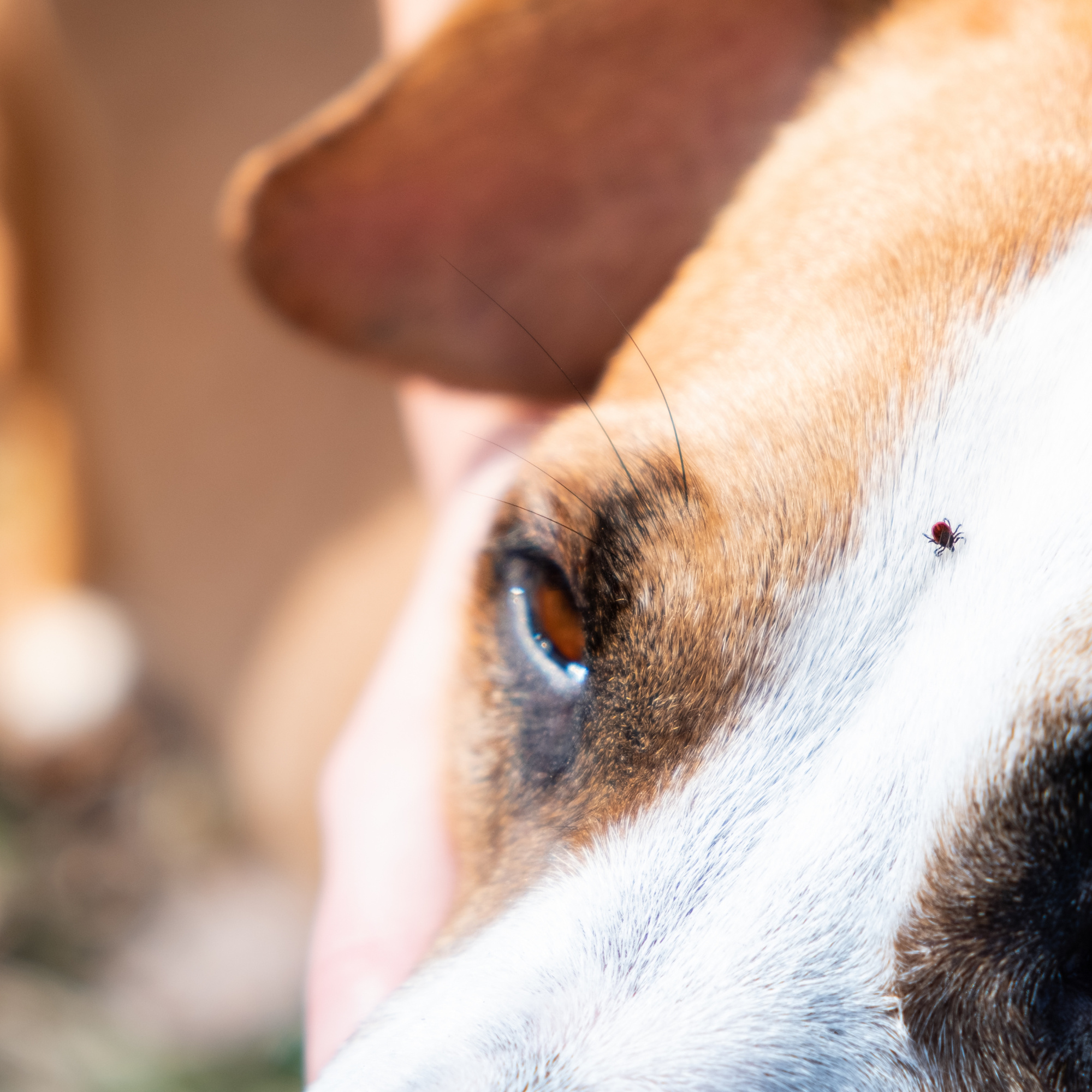
Ticks generally spend time outdoors waiting for a suitable host.
They may be associated with tall grass, vegetation, wooded edges, brush, shaded areas, animal pathways, and locations frequently visited by wildlife or pets.
People and animals can pick up ticks while moving through these environments.
Unlike fleas, ticks don’t jump or fly. They typically come into contact with a host from vegetation or other surfaces.
Why Are Fleas and Ticks in My Yard?
A yard can provide favorable conditions for fleas and ticks even when the lawn appears well maintained.
Shaded areas, vegetation, moisture, leaf litter, animal resting areas, and wildlife activity can all play a role.
Properties near undeveloped land, greenbelts, wooded areas, trails, drainage corridors, or other wildlife habitats may also experience animal movement through or near the property.
Rodents and nuisance wildlife can be especially relevant because they may carry fleas or ticks onto a property.
Are Fleas & Ticks a Concern for Restaurants & Food-Service Properties?
Fleas and ticks are generally different from food-related pests such as roaches or ants, but restaurants can still experience concerns around outdoor areas.
Patios, landscaping, dumpsters, vegetation, and areas visited by rodents, wildlife, or stray animals may create conditions where biting pests can occur.
Restaurants with outdoor dining areas should pay particular attention to landscaping and pest activity around spaces where customers and employees spend time.
If rodents or nuisance wildlife are also present, addressing those animals may be an important part of understanding the overall pest problem.
What About Fleas & Ticks Around Offices and Retail Properties?
Office campuses and retail properties may contain extensive landscaping, grassy areas, outdoor employee spaces, walking paths, and shaded vegetation.
Properties that border undeveloped areas or experience frequent wildlife activity may have additional exposure.
Businesses that allow pets or have outdoor spaces regularly used by employees and customers may be especially interested in monitoring for biting pests.
Are Fleas & Ticks a Concern for Schools?
School campuses often contain playgrounds, athletic fields, lawns, landscaping, walking areas, and other outdoor spaces.
Because students and staff regularly use these areas, schools should pay attention to conditions that may encourage pests or wildlife.
Keeping vegetation maintained, monitoring rodent and wildlife activity, and addressing pest concerns when they’re identified can help schools maintain outdoor spaces.
What Should Warehouses & Industrial Facilities Know?
For warehouses and industrial facilities, flea and tick concerns may be associated more with the surrounding property than with warehouse operations themselves.
Large grassy areas, drainage zones, undeveloped portions of a property, outdoor storage, vegetation, rodents, and wildlife can all contribute to outdoor pest activity.
Rodent activity inside or around a facility can also be relevant because rodents may carry fleas.
When biting pests appear unexpectedly indoors, it can be useful to investigate whether another pest or animal problem is contributing to the issue.
Can New Homes & Developing Neighborhoods Have Fleas or Ticks?
Yes.
New construction often occurs next to undeveloped land or areas where wildlife previously lived.
Clearing land, grading soil, building roads, and developing neighborhoods can change where rodents, wildlife, and other animals travel.
As new North Texas communities develop, landscaping, greenbelts, trails, parks, drainage areas, vacant lots, and remaining undeveloped land can create contact points between residential areas and wildlife.
New homeowners should therefore not assume that a newly constructed property cannot experience fleas, ticks, rodents, or other pests.
What Should HOAs & Property Managers Know About Fleas & Ticks?
Managed communities often include many outdoor spaces where people and pets spend time.
Potential areas to monitor include:
- Dog parks
- Community lawns
- Walking trails
- Playgrounds
- Parks
- Greenbelts
- Amenity centers
- Pool landscaping
- Common areas
- Drainage areas
- Landscaped entrances
Dog parks and pet areas deserve particular attention because animals regularly use the same spaces.
HOA boards and property managers should also pay attention to reports of rodents or nuisance wildlife, as animal activity may be connected to other pest concerns.
What Attracts Fleas to a Property?
Fleas are closely associated with animal hosts.
Dogs, cats, rodents, wildlife, and other animals can provide the blood meals fleas need.
Conditions that allow these animals to regularly rest, nest, or travel around a property may therefore contribute to flea activity.
Protected and shaded areas can also provide more favorable environmental conditions than exposed areas receiving direct sunlight.
What Makes a Property More Favorable to Ticks?
Ticks are often associated with vegetation and animal activity.
Tall grass, dense landscaping, brush, leaf litter, wooded edges, and wildlife pathways may provide favorable environments.
Keeping landscaping maintained and reducing unnecessary vegetation around frequently used areas can help make those spaces less favorable.
However, ticks are part of the outdoor environment, so completely eliminating the possibility of encountering one isn’t realistic.
Are Fleas and Ticks Connected to Rodents or Wildlife?
They can be.
Rodents and wildlife can carry external parasites, including fleas and ticks.
If a home or commercial property suddenly experiences fleas without an obvious source, it may be worth considering whether rats, mice, squirrels, or other animals are active nearby.
Signs of rodents or wildlife should be evaluated separately rather than assuming flea treatment alone will address the entire problem.
How Can I Help Reduce Fleas & Ticks Around My Property?
Property maintenance can help reduce some of the conditions that favor fleas and ticks.
Keep lawns and landscaping maintained, remove unnecessary leaf litter and debris, and pay attention to shaded areas where pets or wildlife frequently rest.
Homeowners with pets should work with their veterinarian on appropriate flea and tick prevention for their animals.
Also watch for signs of rodents or nuisance wildlife around the property.
Commercial property managers should monitor landscaped areas, pet spaces, common areas, outdoor employee spaces, playgrounds, trails, drainage areas, and other locations where people or animals frequently spend time.
When Should I Consider Professional Flea or Tick Control?
Professional pest control may be appropriate when fleas or ticks repeatedly appear, outdoor activity is affecting the use of a property, or you’re having difficulty identifying the source.
A professional evaluation may also be useful when flea activity appears alongside signs of rodents or wildlife.
For HOAs, schools, businesses, and managed properties, recurring complaints from residents, employees, customers, or visitors may indicate that specific outdoor areas should be evaluated.
Flea & Tick Control for North Texas Homes & Businesses
Alcon Services provides treatment options for fleas, ticks, and other biting pests around qualifying residential and commercial properties in North Texas.
We work with homeowners as well as restaurants and food-service properties, retail and office buildings, schools and educational facilities, warehouses and industrial properties, builders and new developments, HOAs, neighborhoods, and managed properties.
Serving North Texas since 1998, Alcon Services works throughout Collin County, Denton County, and surrounding communities, including Prosper, Celina, Gunter, Frisco, McKinney, Little Elm, Aubrey, Denton, Allen, and Plano.
If you’re seeing fleas or ticks and aren’t sure where they’re coming from, Alcon Services can help evaluate the property and determine an appropriate next step.