Termites can be difficult to detect because much of their activity happens out of sight. Unlike ants, roaches, or other pests you may regularly see moving through a property, termites can remain hidden while feeding on wood and other cellulose-based materials.
For North Texas homeowners, business owners, builders, schools, restaurants, property managers, and commercial facilities, recognizing possible signs of termite activity early can help prevent a hidden problem from going unnoticed.
Knowing what to look for—and when to request a professional termite inspection—is an important part of protecting your property.
Are Termites Common in North Texas?
Yes. Termites are an important pest concern throughout Texas, including the North Texas region.
Subterranean termites live in colonies in the soil and can travel between the ground and a structure while searching for food. Because much of this activity takes place underground or inside structural materials, termites aren’t always immediately visible.
Homes aren’t the only properties at risk. Commercial buildings, schools, restaurants, warehouses, offices, retail properties, new construction, and managed communities can also experience termite activity.
What Are the Signs of Termites?
Termite activity isn’t always obvious, but there are several warning signs property owners should know.
Mud Tubes
Subterranean termites can construct narrow mud tubes that allow them to travel between the soil and a food source while maintaining the protected environment they need.
These may appear around foundations, slabs, walls, plumbing areas, or other parts of a structure.
Termite Swarmers
Winged reproductive termites, often called swarmers, may emerge when a mature colony is reproducing.
Seeing swarmers inside a building can be an important reason to investigate further.
Discarded Wings
After swarming, termites shed their wings.
Small piles of discarded wings around windows, doors, light sources, or other areas can indicate that a swarm has occurred nearby.
Damaged Wood
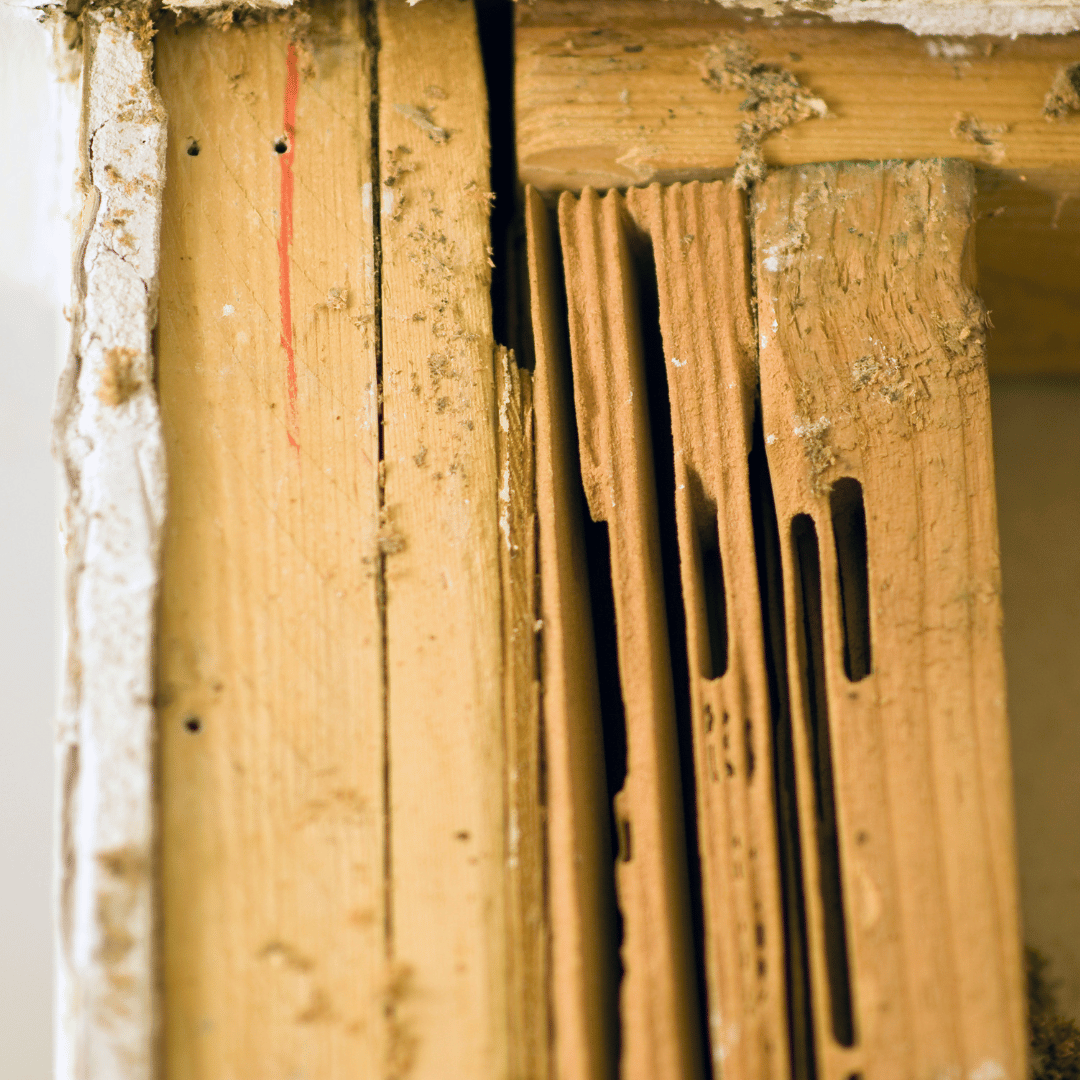
Termites can feed within wood, which means damage may not always be immediately visible from the surface.
Wood that appears damaged, weakened, or unusual may warrant further investigation.
Termites Around the Property
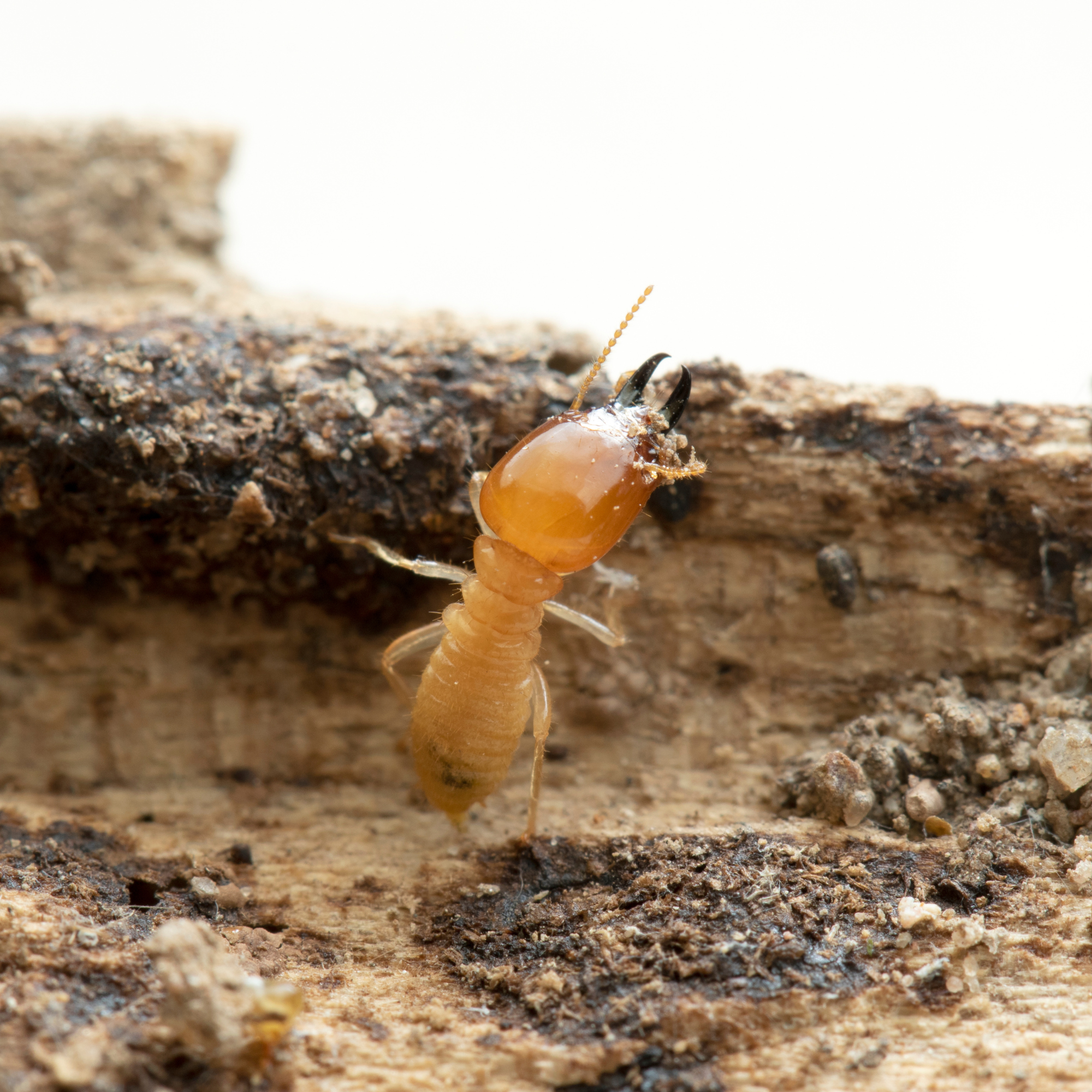
Actually seeing termites or suspected termite activity around a structure is another reason to consider a professional inspection rather than trying to identify the insects yourself.
Are Termite Swarmers the Same as Flying Ants?
No, although the two can be easy to confuse.
Both ants and termites can produce winged reproductive insects, and homeowners frequently discover them around windows, doors, or lights.
There are physical differences between flying ants and termite swarmers, but identification isn’t always easy without experience.
If you’re finding large numbers of winged insects or discarded wings around your property and aren’t sure what they are, professional identification can help determine whether termites are involved.
Can My North Texas Home Have Termites Without Me Knowing?
Yes.
Termites are particularly concerning because activity can remain concealed.
They may travel through soil and protected areas before reaching wood or other materials within a structure. A homeowner may not see obvious signs until activity has been present for some time.
That’s why waiting until termites are visibly crawling through the house isn’t a good strategy for determining whether a property has a termite problem.
If you notice mud tubes, swarmers, discarded wings, suspicious wood damage, or other possible warning signs, consider having the property inspected.
Why Are Termites a Concern for Restaurants & Food-Service Properties?
Restaurants and food-service businesses aren’t immune to termites simply because their primary pest concerns may usually involve insects or rodents attracted to food.
Termites are interested in the structure itself.
Wood components, moisture conditions, landscaping, building construction, and soil contact can all influence termite risk regardless of what type of business occupies the property.
For restaurant owners and commercial property managers, termite activity can become a building and property concern separate from routine pest management.
Can Offices & Retail Buildings Get Termites?
Yes.
Office buildings, retail centers, standalone stores, and multi-tenant commercial properties can all experience termite activity.
Termites don’t distinguish between a residential house and a commercial building. If conditions allow access to suitable materials, commercial structures may be vulnerable.
Property owners and managers should pay attention to mud tubes, swarmers, discarded wings, unexplained wood damage, and other possible warning signs.
What Should Schools Know About Termites?
Schools and educational facilities may include multiple buildings, additions, portable structures, storage areas, landscaping, and other features that create a large property footprint.
Termite activity can affect structural materials just as it can in residential or other commercial buildings.
Facilities teams should pay attention to potential warning signs during routine building maintenance and investigate suspicious activity rather than assuming it is simply another type of insect.
Why Are Termites Important for Warehouses & Industrial Facilities?
Warehouses and industrial properties can be large, making some areas of the structure less frequently observed.
Storage, equipment, building additions, utility areas, loading zones, exterior walls, and surrounding property conditions can make routine awareness particularly important.
Termite activity isn’t necessarily limited to areas where employees regularly work.
If evidence such as mud tubes, swarmers, discarded wings, or suspicious wood damage is found, a professional termite inspection can help determine whether additional activity is present.
What Should Builders Know About Termites in North Texas?
Termite protection is especially important for North Texas builders, developers, and new construction projects.
New does not mean termite-proof.
Termites naturally live in the environment, and construction takes place directly within that environment. Soil disturbance, grading, foundations, wood materials, landscaping, irrigation, and ongoing development can all affect conditions around a new structure.
Addressing termite protection during construction can provide builders and property owners with options that aren’t available in exactly the same way after construction is complete.
Alcon Services provides termite solutions for qualifying new home builds, commercial construction, builders, developments, and growing North Texas communities.
Can a Brand-New Home Get Termites?
Yes.
A home’s age alone doesn’t determine whether termites can become a problem.
A new home is still built on soil where termites may naturally occur. Landscaping, irrigation, moisture, wood-to-soil contact, construction materials, and surrounding development can also influence conditions after the home is completed.
New homeowners should not assume that termite awareness only becomes important after a house is several decades old.
What About Termites in HOAs & Managed Communities?
HOAs and property management companies may be responsible for clubhouses, amenity centers, offices, shared structures, community facilities, and other buildings in addition to maintaining common areas.
Termite concerns can therefore extend beyond individual residences.
For managed properties, keeping maintenance teams aware of potential warning signs can help suspicious activity get investigated before it is overlooked.
Property managers should also understand which structures they are responsible for and which termite concerns fall to individual property owners.
What Conditions Can Contribute to Termite Activity?
Termites require moisture and access to suitable food sources.
Conditions around a property that may deserve attention include:
- Excess moisture
- Plumbing leaks
- Drainage problems
- Wood-to-soil contact
- Wood debris near structures
- Landscape timbers
- Firewood stored against buildings
- Moist areas around foundations
- Certain construction conditions
Having one of these conditions doesn’t automatically mean termites are present. However, reducing unnecessary moisture and wood-to-soil contact can help address conditions that may favor termite activity.
Why Are Termites Different From Other Common Pests?
A roach walking across a floor or an ant trail on a counter is usually easy to notice.
Termites are different because much of their activity may remain hidden within soil, wood, walls, or other protected areas.
That makes professional inspection particularly valuable when warning signs are present.
The goal isn’t simply to treat the insects that can be seen. It is to determine whether termite activity exists, where evidence is located, and what treatment approach may be appropriate for the property.
What Happens During a Termite Inspection?
A professional termite inspection looks for visible evidence of termite activity and conditions around accessible areas of the property that may contribute to termite concerns.
The inspector may look for signs such as mud tubes, swarmers, discarded wings, damaged wood, and other evidence associated with wood-destroying insects.
If termite activity is identified, the property can then be evaluated to determine an appropriate treatment approach.
Is a Termite Inspection the Same as a WDI Report?
Not necessarily.
A Wood-Destroying Insect Report, commonly called a WDI report, is a specific type of inspection/report that may be requested during certain real estate transactions or for other property needs.
A general termite inspection and a formal WDI inspection/report should not automatically be treated as the same service.
Alcon Services provides Wood-Destroying Insect Reports for qualifying property and real estate needs. Contact Alcon for information about requirements, scheduling, and applicable fees.
When Should I Call a Termite Professional?
Consider requesting a professional termite inspection if you notice:
- Mud tubes
- Termite swarmers
- Discarded wings
- Suspicious wood damage
- Repeated winged insects you can’t identify
- Evidence of previous termite activity
- Other unexplained signs around the structure
You may also want to discuss termite protection when building a new home or commercial property.
Because termite activity can remain concealed, professional inspection can help determine whether visible evidence is actually associated with termites.
Termite Inspections & Treatment for North Texas Properties
Alcon Services provides professional termite inspections and termite treatment for residential and commercial properties throughout North Texas.
We work with homeowners as well as restaurants and food-service properties, retail and office buildings, schools and educational facilities, warehouses and industrial properties, builders and new developments, HOAs, neighborhoods, and managed properties.
Serving North Texas since 1998, Alcon Services works throughout Collin County, Denton County, and surrounding communities, including Prosper, Celina, Gunter, Frisco, McKinney, Little Elm, Aubrey, Denton, Allen, and Plano.
If you’ve found possible signs of termites and aren’t sure what you’re looking at, Alcon Services can inspect the property and help determine the appropriate next step.