
You hear scratching in the attic. You find unexplained droppings in the garage. Something is damaging the lawn. Tiny insects suddenly appear near a window. Or maybe employees, tenants, or customers keep reporting a pest—but no one is quite sure what it is.
You don’t always need to know exactly what pest you’re dealing with before contacting a pest control professional.
North Texas properties can experience activity from ants, roaches, spiders, rodents, termites, mosquitoes, fleas, ticks, wildlife, and many other pests. Some signs can look surprisingly similar, which makes identifying the source of a problem difficult without looking at the property and the evidence left behind.
Whether you’re a homeowner, business owner, facility manager, builder, or property manager, the signs you’re noticing can provide important clues.
What Are the Most Common Signs of a Pest Problem?
Sometimes you see the actual pest. Other times, the evidence appears first.
Common signs that may warrant a closer look include:
- Droppings
- Scratching or movement in walls or attics
- Gnaw marks
- Unexplained property damage
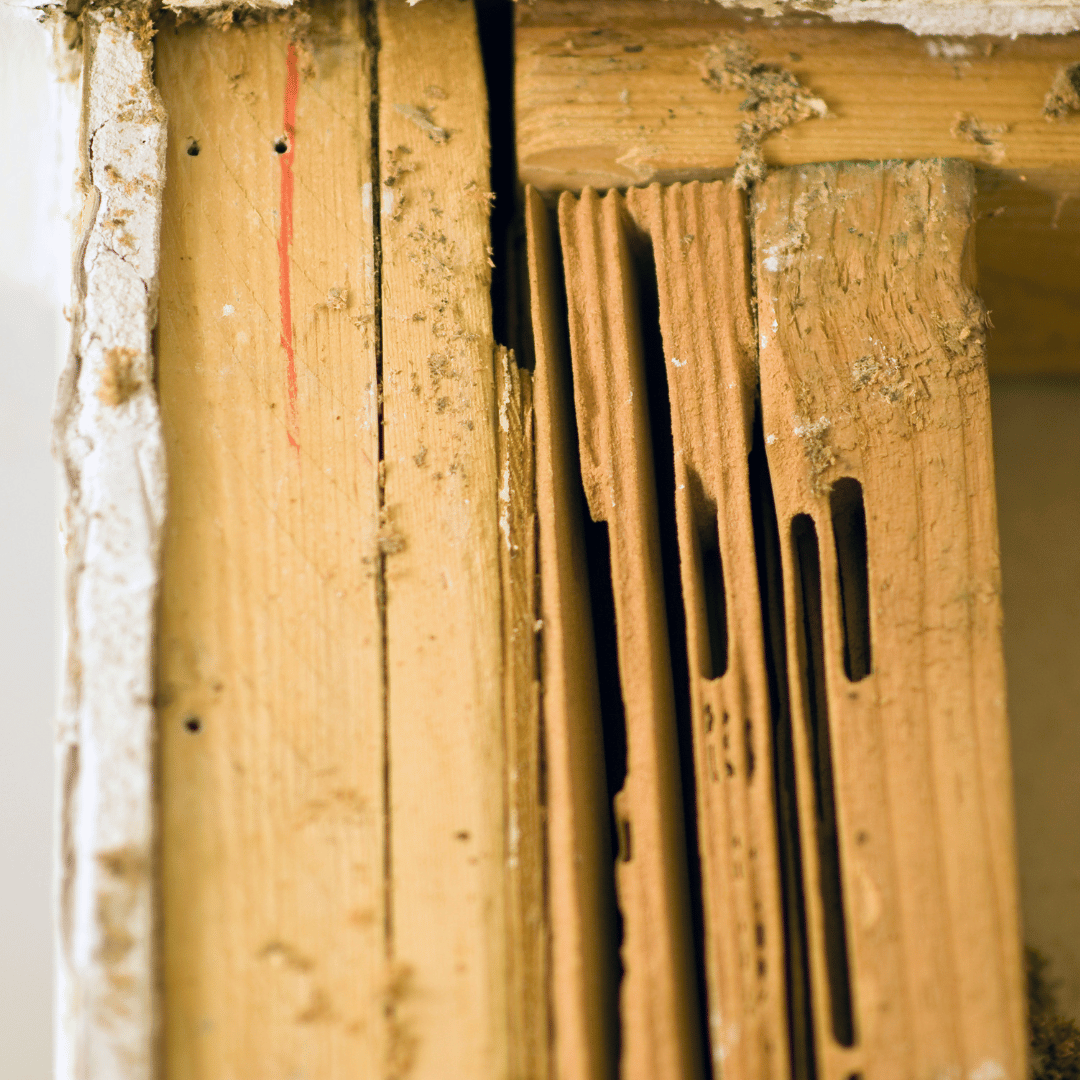
- Mud tubes
- Discarded insect wings
- Webs
- Unusual insect activity
- Small holes or entry points
- Nests or nesting material
- Mounds in the lawn
- Unusual odors
- Damaged plants or landscaping
- Bites or stings
- Repeated pest sightings
- Sounds coming from the attic, roof, walls, or crawl spaces
Where and when you’re noticing the activity can sometimes be just as important as the evidence itself.
What Is Making Noise in My Attic or Walls?
Scratching, scurrying, or movement inside an attic or wall can have several possible causes.
Rats and mice are one possibility, but squirrels and other nuisance wildlife can produce similar sounds.
Pay attention to when you hear the noise, where it seems to originate, and whether you’ve noticed droppings, gnaw marks, nesting materials, or exterior damage.
Rather than assuming what’s inside, an inspection can help determine what type of animal may be responsible and how it could be accessing the structure.
What Are These Droppings?
Droppings are another common reason people realize they may have a pest problem.
Rats, mice, roaches, and certain wildlife can all leave evidence behind.
Size, shape, quantity, and location may help with identification, but homeowners and employees should avoid unnecessarily handling unknown animal waste.
Finding recurring droppings in kitchens, cabinets, garages, attics, warehouses, storage areas, or other parts of a building is a good reason to investigate further.
Why Are There Tiny Bugs in My Kitchen or Bathroom?
Kitchens and bathrooms provide several things pests need, particularly food and moisture.
Small insects around sinks, cabinets, counters, drains, or food-storage areas could have several possible causes.
Rather than choosing a treatment based solely on what the insect resembles, proper identification is important. Different pests can require very different approaches.
Pay attention to where the insects appear, how many you’re seeing, whether they’re active during the day or night, and whether they seem associated with food, moisture, or a particular area.
What Is Causing Damage Around My Home or Building?
Unexplained damage can sometimes be one of the first signs of pest activity.
Gnawed materials may suggest rodents. Damaged wood could warrant investigation for termites or other wood-destroying insects. Disturbed landscaping or lawn areas may have several potential causes.
The important thing is not to assume that every type of damage has the same source.
Identifying the pest before deciding how to address it can prevent wasted time and inappropriate treatment.
What Is Causing Problems in My Yard or Landscaping?
North Texas lawns and landscapes can experience many different pest concerns.
You may notice mounds, damaged plants, unusual insect activity, holes, disturbed soil, biting pests, or animals moving through the property.
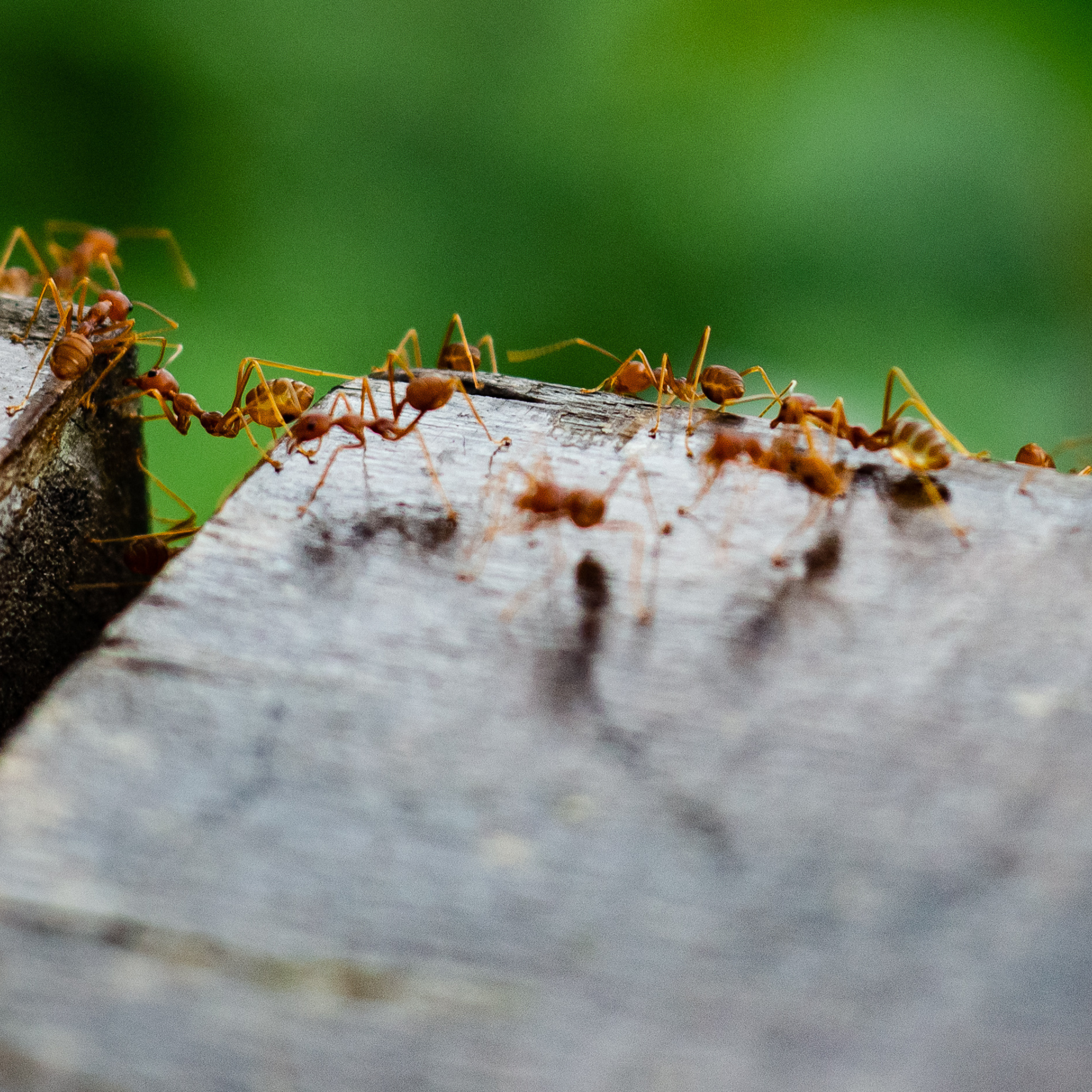
Fire ants, fleas, ticks, mosquitoes, wildlife, lawn pests, and other organisms can all create different types of outdoor concerns.
Weather, irrigation, vegetation, drainage, and surrounding land can also influence pest activity.
Why Do Pest Problems Keep Coming Back?
Repeated pest activity usually means something about the property continues to support the problem.
Pests generally need some combination of food, water, shelter, and access.
Removing the pest you can see may not address a nest, colony, entry point, moisture problem, food source, or other underlying condition.
This is why identifying the cause of recurring activity can be more valuable than simply treating each pest as it appears.
What Pest Problems Should Homeowners Watch For?
North Texas homeowners may encounter pests throughout both the interior and exterior of their property.
Kitchens, bathrooms, garages, attics, patios, lawns, landscaping, rooflines, and storage areas are all worth monitoring.
Signs such as recurring insects, scratching noises, droppings, damaged wood, fire ant mounds, unexplained bites, or wildlife activity may indicate that it’s time for a closer look.
You don’t need to correctly identify the pest before requesting an inspection.
What Should Restaurants & Food-Service Businesses Watch For?
Restaurants and food-service properties can face pest concerns around kitchens, food storage, drains, equipment, dumpsters, loading areas, outdoor patios, and landscaping.
Ants, roaches, rodents, flies, and other pests may be attracted to food, water, shelter, or waste.
Because pest activity can affect customers, employees, sanitation, and day-to-day operations, unexplained signs should be investigated promptly.
What Should Offices & Retail Properties Watch For?
Offices and retail buildings can experience pest activity around break rooms, bathrooms, storage spaces, tenant suites, trash areas, exterior entrances, landscaping, and utility areas.
Property managers may also receive reports from individual tenants before the source of a problem becomes obvious.
Tracking where complaints are occurring can help identify patterns across a larger property.
What Should Schools Watch For?
Schools combine classrooms, cafeterias, kitchens, playgrounds, athletic areas, storage rooms, bathrooms, landscaping, and large common spaces.
That creates many different environments where pest concerns can develop.
Facility teams should pay attention to recurring pest sightings, droppings, unexplained damage, outdoor mounds, rodent evidence, and reports from teachers or staff.
Early identification can make it easier to understand the scope of the problem.
What Should Warehouses & Industrial Facilities Watch For?
Large facilities can give pests many opportunities to enter and remain unnoticed.
Loading docks, overhead doors, shipments, storage areas, equipment, employee spaces, utility penetrations, drains, and outdoor areas should all be considered when investigating unexplained pest activity.
Because the location where a pest is discovered may not be where it entered, evaluating the larger facility can be important.
What About New Homes & Developing Neighborhoods?
New doesn’t mean pest-free.
Construction disturbs soil and existing habitats while introducing building materials, landscaping, irrigation, drainage systems, and new structures.
As North Texas communities grow, homeowners, builders, and developers may encounter ants, spiders, rodents, termites, wildlife, and other pests around newly developed properties.
An unfamiliar pest appearing in a new home isn’t necessarily unusual, but identifying it correctly is still important.
What Should HOAs & Property Managers Watch For?
Managed communities contain many environments where pest problems can develop, including pools, playgrounds, dog parks, clubhouses, amenity centers, landscaping, trash areas, trails, sidewalks, and community lawns.
One resident report may represent an isolated issue. Similar reports from several locations may indicate a broader property concern.
Documenting what residents are seeing and where they’re seeing it can provide useful information during an inspection.
Should I Take a Picture of the Pest?
Yes, when you can safely do so.
A clear photo of the pest, droppings, nest, mound, damage, mud tubes, or other evidence may provide helpful information.
Don’t put yourself at risk to get the picture. Avoid handling unknown pests, disturbing wildlife, approaching potentially aggressive animals, or intentionally disturbing fire ant or wasp nests.
Alcon’s inspection request form allows customers to provide information about what they’re seeing so the team can better understand the concern.
When Should I Request a Pest Inspection?
Consider an inspection when you’re repeatedly seeing pest activity, finding unexplained droppings or damage, hearing animals in a structure, discovering possible termite evidence, experiencing a problem that keeps returning, or simply aren’t sure what you’re dealing with.
You don’t need to diagnose the pest yourself.
That’s what the inspection is for.
Not Sure What’s Causing the Problem? Alcon Can Help.
Alcon Services provides professional pest inspections and pest control solutions for residential and commercial properties throughout North Texas.
We work with homeowners as well as restaurants and food-service properties, retail and office buildings, schools and educational facilities, warehouses and industrial properties, builders and new developments, HOAs, neighborhoods, and managed properties.
Serving North Texas since 1998, Alcon Services works throughout Collin County, Denton County, and surrounding communities, including Prosper, Celina, Gunter, Frisco, McKinney, Little Elm, Aubrey, Denton, Allen, and Plano.
Not sure whether you’re dealing with insects, rodents, termites, wildlife, or another pest concern?
Start with a free inspection and let the Alcon team help identify what you’re dealing with.