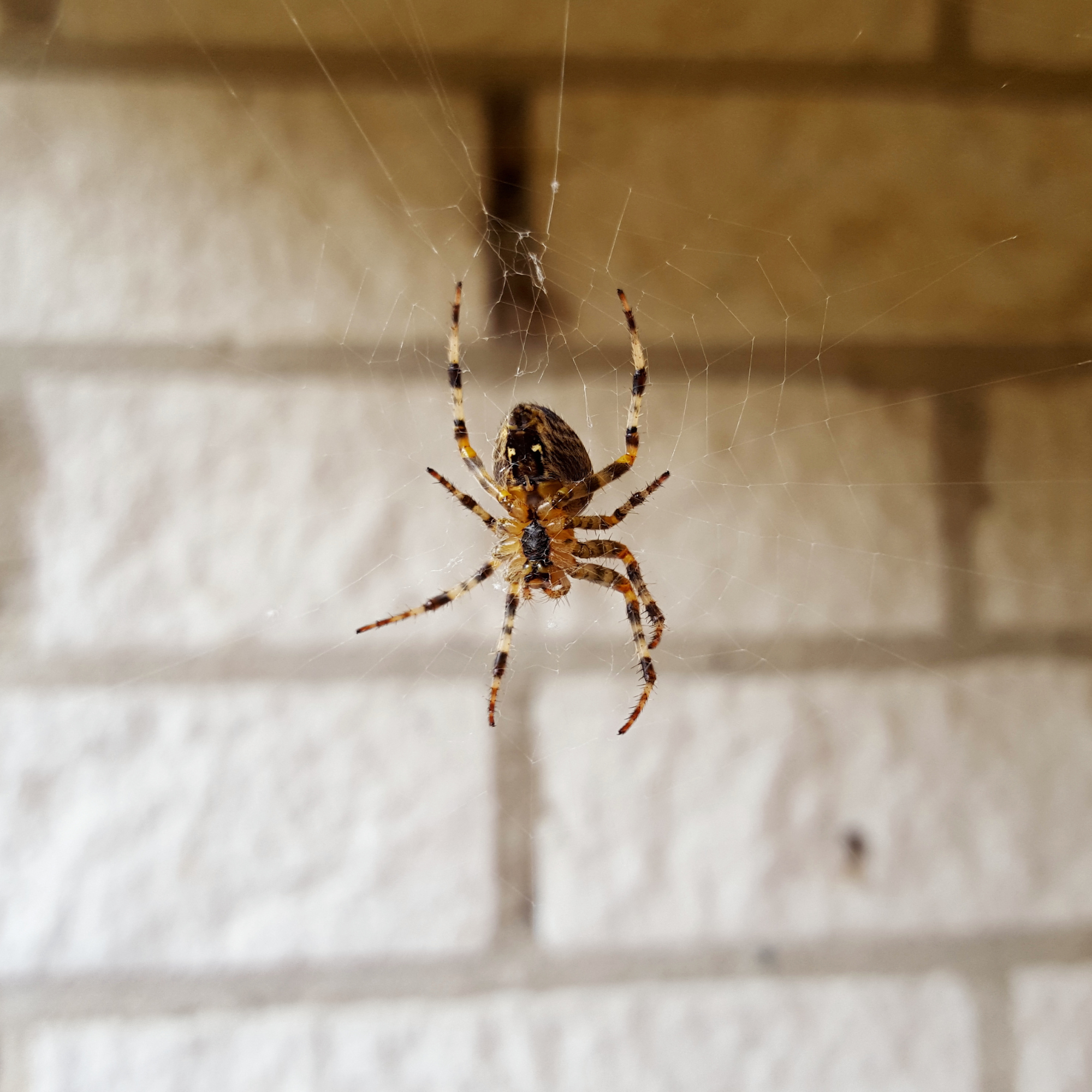
Spiders are a common sight across North Texas. You may notice webs around your home’s windows and porch, spiders in a garage, or increased activity around a restaurant, office, school, warehouse, or commercial building.
Seeing an occasional spider doesn’t necessarily mean you have a major pest problem. However, frequent spider activity can indicate that your property is providing spiders with shelter—and, importantly, a steady supply of other insects to eat.
Understanding why spiders are around your property, where they tend to hide, and what attracts them can help you decide what to do next.
Why Are Spiders So Common in North Texas?
North Texas has a warm climate and a large insect population, creating favorable conditions for many types of spiders.
Spiders generally go where they can find prey. Properties with significant activity from flies, mosquitoes, moths, ants, roaches, and other insects may naturally attract more spiders.
Landscaping, exterior lighting, moisture, protected spaces, and seasonal weather changes can also influence spider activity.
That means controlling spiders often involves looking at the broader pest activity around the property—not just removing visible webs.
Why Are Spiders Getting Into My House?
Spiders may enter homes through gaps around doors, windows, garages, vents, utility lines, and other exterior openings.
Once inside, they often seek quiet, protected spaces where they are less likely to be disturbed.
Common areas include:
- Garages
- Attics
- Closets
- Storage areas
- Basements or crawl spaces
- Corners and ceilings
- Around windows
- Behind furniture
- Near exterior doors
Spiders may also be more noticeable around areas where other insects are present.
If you’re constantly removing webs only to have them return, there may be conditions around the property that continue to attract spiders or their prey.
Why Are There Spiders Around My Porch, Patio or Exterior?
Exterior spider activity is extremely common.
Porches, patios, eaves, rooflines, windows, exterior lights, garages, fences, and landscaping can provide excellent places for spiders to build webs.
Exterior lighting can be especially important because lights attract flying insects at night. Those insects can then attract spiders looking for an easy food source.
Dense landscaping close to the structure may also provide insects and spiders with protected areas near the building.
Why Are Spiders Around Restaurants & Food-Service Properties?
Restaurants can attract many types of insects because of food, moisture, waste, exterior lighting, dumpsters, and frequent deliveries.
Where insects gather, spiders may follow.
Spider webs around entrances, patios, outdoor dining spaces, windows, lighting, dumpster areas, or building exteriors can also affect how customers perceive the property.
Managing spider activity around a restaurant may therefore involve addressing both the spiders and the insects attracting them.
Why Are Spiders Common Around Offices & Retail Buildings?
Commercial buildings often have exterior features that attract insects and spiders.
Bright exterior lighting, large windows, covered entrances, landscaping, signs, rooflines, loading areas, and parking-lot lighting can create favorable areas for insects.
Spiders may build webs near entrances, windows, signs, exterior fixtures, and other locations where prey is readily available.
Inside, they may appear in storage rooms, utility areas, offices, warehouses, or other spaces that aren’t frequently disturbed.
For customer-facing businesses, visible webs around entrances and windows can become a concern even when spider activity is relatively limited.
What Causes Spider Problems at Schools?
Schools contain a combination of indoor and outdoor environments that can support insects and spiders.
Classrooms, storage rooms, gyms, cafeterias, utility spaces, playgrounds, athletic facilities, landscaping, covered walkways, exterior lighting, and other areas may experience spider activity.
Outdoor areas can be particularly attractive because insects gather around vegetation and lighting.
Regularly monitoring commonly used spaces can help schools identify noticeable spider or web activity before it becomes a larger concern for students, staff, or visitors.
Why Are Spiders Found in Warehouses & Industrial Facilities?
Warehouses and industrial facilities can provide spiders with large amounts of protected space.
High ceilings, storage racks, loading docks, equipment areas, overhead doors, utility spaces, exterior lighting, and less frequently disturbed areas can all provide suitable locations for spiders.
Open loading doors can also allow insects to enter, creating an additional food source.
Because warehouses can be large, webs and spider activity may become established in areas that aren’t regularly inspected.
Can New Homes & New Construction Have Spiders?
Absolutely.
A newly built home isn’t automatically pest-free.
Construction disturbs soil, vegetation, and existing insect habitats. During construction, structures may also remain open to the outdoors for extended periods.
As North Texas neighborhoods develop, new landscaping, irrigation, exterior lighting, fences, and vegetation can create new habitats for insects—and therefore spiders.
New homeowners may notice spider activity around garages, patios, windows, eaves, landscaping, and other exterior areas even shortly after moving into the property.
What About Spiders in HOAs & Managed Communities?
HOAs and property managers may encounter spiders around community entrances, clubhouses, pools, playgrounds, mail areas, amenity centers, garages, covered walkways, landscaping, and exterior lighting.
Webs around high-traffic areas can become especially noticeable to residents and visitors.
Because many community properties include significant outdoor landscaping and lighting, reducing spider activity may also require paying attention to the insect populations attracting them.
Does Having Spiders Mean I Have Another Pest Problem?
Sometimes.
Spiders are predators, which means they need other insects for food.
A property with persistent spider activity may also have populations of mosquitoes, flies, moths, ants, roaches, or other insects supporting them.
This doesn’t mean every spider indicates an infestation. But when spider activity is unusually high, it can be useful to look at what else is happening around the property.
Are Spiders in North Texas Dangerous?
Most spiders people encounter are more of a nuisance than a threat, but North Texas does have spiders that warrant greater caution.
Black widow and brown recluse spiders are two medically significant spiders found in Texas.
Avoid handling spiders you cannot confidently identify. If you’re concerned about a spider or are experiencing frequent activity around your property, professional identification and pest control can help determine an appropriate next step.
If someone is bitten and develops concerning symptoms, seek medical advice rather than relying on online identification of the spider.
Why Do Spider Webs Keep Coming Back?
Simply removing a web doesn’t necessarily change the conditions that made the location attractive.
If an area continues providing shelter and access to insects, another spider may eventually use the same location.
Exterior lights, protected corners, eaves, windows, landscaping, garages, and other areas may continue attracting spiders as long as favorable conditions remain.
That’s why effective spider management should consider both visible spider activity and the insects that provide their food source.
How Can I Help Prevent Spiders?
Reducing insects around the property is one of the most useful ways to make an area less attractive to spiders.
Property owners can also:
- Remove webs when they appear
- Reduce unnecessary clutter
- Keep storage areas organized
- Check door and window seals
- Address obvious exterior gaps
- Maintain landscaping around structures
- Monitor garages and storage spaces
- Address other insect problems
- Evaluate exterior lighting that attracts large numbers of insects
Commercial property managers should also monitor entrances, signs, exterior fixtures, loading areas, common spaces, storage areas, and other locations where webs may accumulate.
When Should I Call a Pest Control Company for Spiders?
Professional pest control may be appropriate when spiders or webs repeatedly return, activity is occurring throughout the property, you’re seeing spiders you can’t identify, or another insect problem appears to be contributing to spider activity.
Businesses may also want professional help when visible webs or spiders are affecting customer entrances, outdoor dining areas, common spaces, workplaces, or other frequently used areas.
A professional inspection can help identify pest activity and conditions around the property that may be contributing to the problem.
Spider Control for North Texas Homes & Businesses
Alcon Services provides professional interior and exterior pest control for residential and commercial properties throughout North Texas.
We work with homeowners as well as restaurants and food-service properties, retail stores and offices, schools and educational facilities, warehouses and industrial properties, builders and new developments, HOAs, neighborhoods, and managed properties.
Serving North Texas since 1998, Alcon Services works throughout Collin County, Denton County, and surrounding communities, including Prosper, Celina, Gunter, Frisco, McKinney, Little Elm, Aubrey, Denton, Allen, and Plano.
If spiders and webs keep returning around your home or property, Alcon Services can help evaluate what’s happening and determine an appropriate next step.