Ants are one of the most common pest problems in North Texas. They can appear almost anywhere—from a kitchen counter or bathroom to a restaurant, school cafeteria, office break room, warehouse, new construction site, or neighborhood common area.
And once ants find a reliable source of food, water, or shelter, they can keep coming back.
North Texas homes and businesses face ant pressure throughout much of the year. Warm temperatures, changing weather, landscaping, irrigation, new construction, and seasonal rain can all influence where ants establish colonies and where they search for resources.
Understanding why you have ants, what is attracting them, and where they may be coming from can help you determine what to do next.
Why Are Ants So Common in North Texas?
North Texas provides many of the conditions ants need to thrive.
Warm weather allows ants to remain active for long periods of the year, while rain, drought, extreme heat, and other weather changes can affect where colonies forage and nest.
Properties also provide ants with plenty of resources, including:
- Food and crumbs
- Water and moisture
- Landscaping and mulch
- Irrigation
- Trash and waste
- Pet food
- Protected nesting areas
- Small openings into buildings
An ant problem isn’t necessarily a sign that a property is dirty. Even well-maintained homes and businesses can develop ant activity when a colony finds favorable conditions nearby.
Why Are Ants Coming Into My House?
When ants appear inside a North Texas home, they’re often searching for food or water.
Kitchens are obvious targets, but ants may also appear in bathrooms, laundry rooms, garages, pantries, around pet bowls, near plumbing, or along windows and doors.
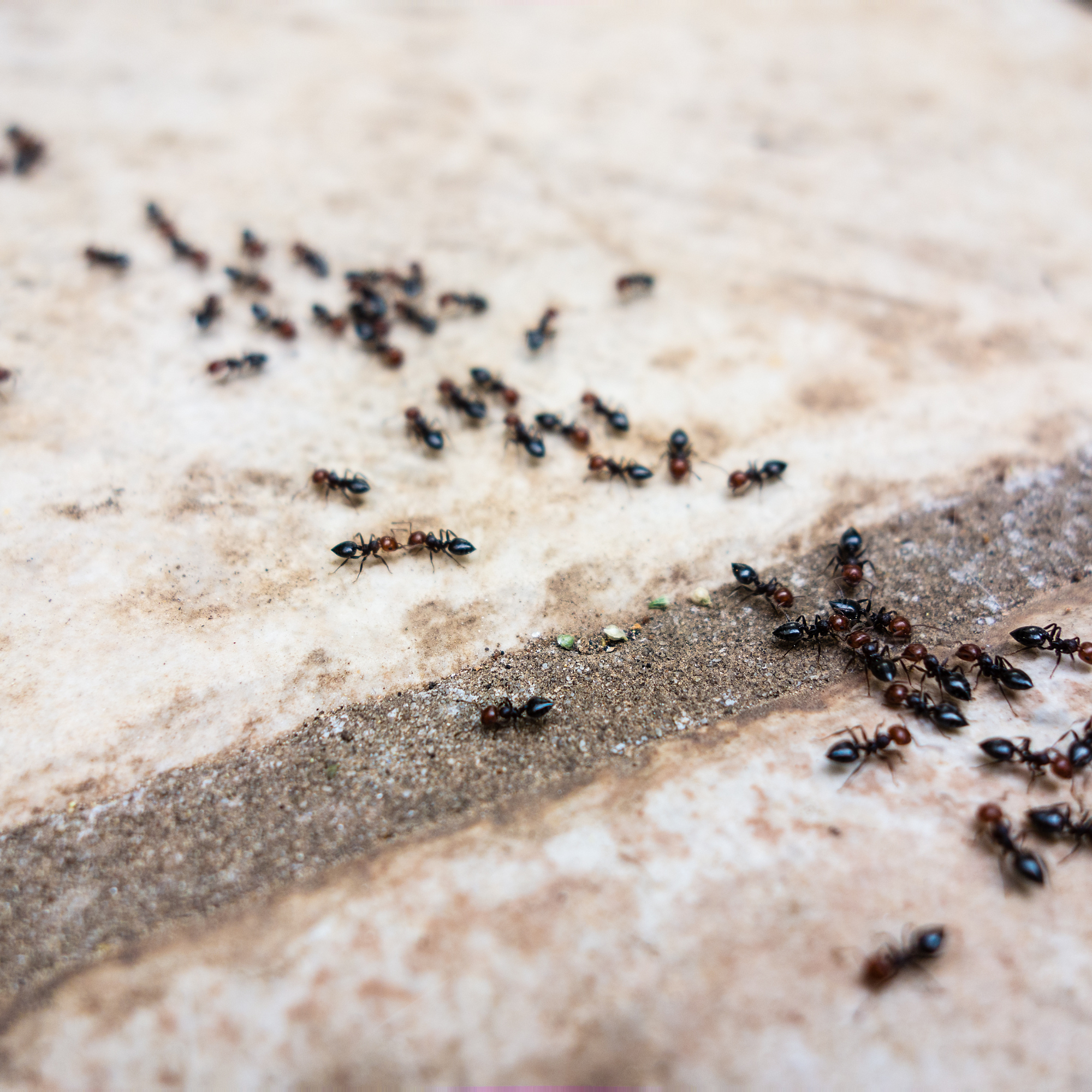
You may notice individual ants at first. Eventually, you might see an organized trail as worker ants travel between a food or water source and their colony.
Potential attractants include crumbs, spills, sugary foods, grease, pet food, open food containers, leaking plumbing, and moisture around sinks.
Ants can also enter through very small gaps around doors, windows, foundations, plumbing, utility lines, and other openings.
Why Are Ants in My Restaurant or Food-Service Property?
Restaurants and food-service environments can be particularly attractive to ants because food, water, warmth, and shelter may all be available in a relatively small area.
Ant activity may occur around kitchens, food-preparation areas, beverage stations, drains, storage rooms, employee areas, dumpsters, outdoor dining spaces, and landscaping.
Even small amounts of food residue can provide a food source for foraging ants.
For restaurants and other food-service businesses, recurring pest activity can also affect the experience of customers and employees. Identifying where ants are entering and what is attracting them is important when addressing the problem.
Why Are Ants Showing Up in an Office or Retail Building?
Offices and retail spaces may not seem like obvious places for ants, but these properties still provide plenty of opportunities.
Employee break rooms, coffee stations, desks, trash cans, vending areas, bathrooms, kitchens, tenant spaces, and landscaping can all contribute to ant activity.
Exterior conditions matter too. Irrigated landscaping, mulch, vegetation, sidewalks, foundations, and areas around entrances may support ant colonies outside the building.
If ants repeatedly appear indoors, the visible ants may only represent a small portion of the activity occurring elsewhere on the property.
What Causes Ant Problems at Schools?
Schools and educational facilities combine many environments into one property.
Cafeterias and kitchens provide food sources. Classrooms may contain snacks and drinks. Bathrooms and plumbing provide moisture. Playgrounds, athletic areas, lawns, landscaping, sidewalks, and common spaces provide additional opportunities for ants outside.
Fire ants can be particularly concerning when mounds develop in areas frequently used by students, staff, and visitors.
Because school properties can be large and complex, identifying where ants are active and what conditions are supporting them can be an important part of pest management.
Why Do Warehouses and Industrial Facilities Get Ants?
Large warehouses, storage facilities, and industrial properties may contain numerous potential pest entry points.
Loading docks, overhead doors, exterior walls, utility penetrations, employee break areas, trash areas, stored products, moisture, and surrounding landscaping can all contribute to pest activity.
The size of these facilities can also make it easier for an ant problem to go unnoticed until workers begin seeing activity in multiple locations.
Monitoring both the interior and exterior of the property can help identify pest activity before it becomes more widespread.
Why Are There Ants Around New Homes and Construction?
North Texas continues to experience significant residential and commercial development, and construction can change existing pest habitats.
Clearing land, moving soil, installing foundations, adding irrigation, and creating new landscaping can alter where ants and other pests are living.
That means a brand-new home isn’t automatically a pest-free home.
As neighborhoods develop, new lawns, landscaping, irrigation systems, sidewalks, common areas, and homes create new environments where ants can forage and establish colonies.
Builders, developers, new homeowners, and growing communities may encounter pest activity even when structures themselves are new.
What Causes Ant Problems in HOAs and Managed Communities?
HOAs, neighborhoods, apartment communities, and managed properties often have extensive outdoor areas that can support ant activity.
Potential problem areas include:
- Community lawns
- Parks and playgrounds
- Pools and amenity centers
- Sidewalks
- Landscaped entrances
- Irrigated areas
- Common spaces
- Pet areas
- Trash areas
- Clubhouses
Fire ants can be an especially important concern in lawns and other areas where residents, children, pets, and visitors spend time.
Regular attention to common areas can help property managers and HOA boards identify visible pest concerns before residents begin reporting them throughout the community.
Are Fire Ants a Problem in North Texas?
Yes. Fire ants are a common outdoor pest concern in Texas.
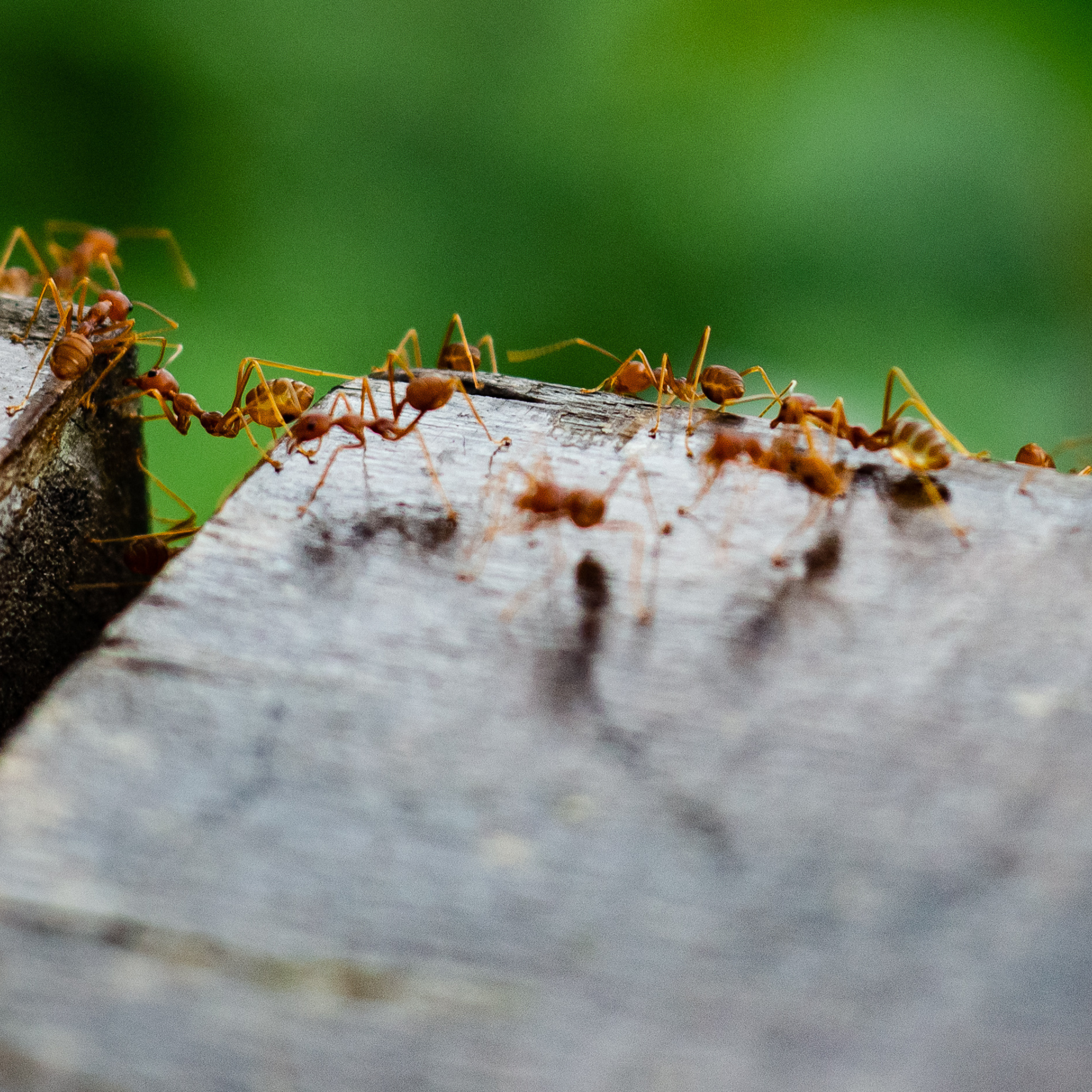
Fire ant colonies can create visible mounds in lawns, landscaped areas, around sidewalks, near buildings, in parks, and throughout other outdoor spaces.
When a mound is disturbed, fire ants can respond aggressively and sting.
That makes fire ant activity particularly important to address around homes as well as playgrounds, schools, community spaces, commercial landscaping, outdoor dining areas, and other locations where people or pets regularly spend time.
What Attracts Ants to a Property?
Most ant activity comes down to three basic needs: food, water, and shelter.
Food can include much more than food left sitting on a counter. Crumbs, grease, sugary residue, pet food, garbage, food waste, and spills may all provide ants with resources.
Moisture can come from plumbing leaks, condensation, irrigation, drains, standing water, and damp landscaping.
Outside, mulch, vegetation, soil conditions, landscaping, and protected areas around a structure may provide suitable nesting locations.
Reducing these conditions can make a property less attractive, although it may not eliminate an established colony.
Why Do Ants Keep Coming Back?
This is one of the most common questions about ant problems.
Killing the ants you can see doesn’t necessarily eliminate the colony.
The ants traveling across your counter, floor, sidewalk, or landscaping may be worker ants searching for resources. The colony itself may be somewhere else entirely.
Depending on the type of ant, nests may be located outdoors, in soil, underneath landscaping, near foundations, or in protected areas of a structure.
Different ant species also behave differently, which is one reason the same approach doesn’t work for every ant problem.
If ants disappear temporarily and repeatedly return, the underlying colony or conditions supporting the activity may still be present.
How Can I Help Prevent Ants?
There are several practical steps homeowners, business owners, facility managers, and property managers can take.
Keep food properly stored and clean spills and crumbs promptly. Don’t leave pet food sitting out unnecessarily. Maintain trash and recycling areas and address leaking plumbing or excess moisture.
Outside, pay attention to irrigation, landscaping, mulch, vegetation, and areas where water collects.
It can also help to inspect doors, windows, foundations, plumbing penetrations, utility areas, and other potential openings around a structure.
For commercial properties, sanitation and maintenance practices should extend to employee areas, loading zones, dumpsters, storage areas, kitchens, landscaping, and common spaces.
When Should I Call a Pest Control Company for Ants?
Consider professional pest control when:
- Ants repeatedly return after you’ve tried addressing the problem
- You see established ant trails indoors
- Ants are appearing in multiple rooms or areas
- You’re finding numerous fire ant mounds
- Ant activity is affecting customers, employees, tenants, residents, or students
- You’re unsure what type of ant you’re dealing with
- The source of the activity isn’t obvious
A professional inspection can help determine where activity is occurring, what may be contributing to the problem, and what treatment approach may be appropriate.
Ant Control for North Texas Homes & Businesses
Alcon Services provides professional pest control for residential and commercial properties throughout North Texas.
We help homeowners as well as restaurants and food-service businesses, retail stores and offices, schools and educational facilities, warehouses and industrial properties, builders and new developments, HOAs, neighborhoods, and managed properties.
Serving North Texas since 1998, Alcon Services works with properties throughout Collin County, Denton County, and surrounding communities, including Prosper, Celina, Gunter, Frisco, McKinney, Little Elm, Aubrey, Denton, Allen, and Plano.
If you’re seeing ants but aren’t sure where they’re coming from, you don’t have to identify the problem yourself.